Essential Documents and Logistics:
Passport: Must be valid for at least 6 months from arrival with 2 blank pages.
Visa/OCI: Printed copy of your approved e-Visa and your e-OCI card(recommend carrying physical OCI booklet as well).
E-Arrival Card: To be completed 72 hours prior to arrival, carry a screenshot/ print
Bank: Alert your bank of international travel to avoid foreign transaction blocks and review their policies regarding fees for foreign currency transactions.
Most places in India accept Visa/Mastercard, some accept American Express
Currency: Carry ~$100–$200 USD in crisp, unblemished bills to exchange at the airport for Indian Rupees (INR) for initial tips and small vendors.
You may see vendors asking for UPI (Unified Payments Interface) or presenting a QR code
This is for those with Indian bank accounts who can directly transfer money to a vendor, ask for card payment (tap or insert/swipe) or pay in cash instead.
Flight Tickets: Printed copies (Delhi and other Indian airports often require a printed ticket/PDF to enter the terminal building). Note that once you exit the airport building - re-entry is prohibited.
Phone: Set up international roaming or purchase a prepaid physical/e-sim card so you can get online
Note - Standard tourist eSIMs are data-only. You won’t be able to make voice calls or send texts and will need to rely on VoIP apps like WhatsApp, FaceTime, or Zoom for calls/ messages.
To make calls to USA use county code +1 before entering phone no., to make calls to Indian phone numbers, use country code +91
Download Uber App for airport rides and transportation throughout Delhi and major metropolitan areas (or Ola for smaller cities/ alternative prices).


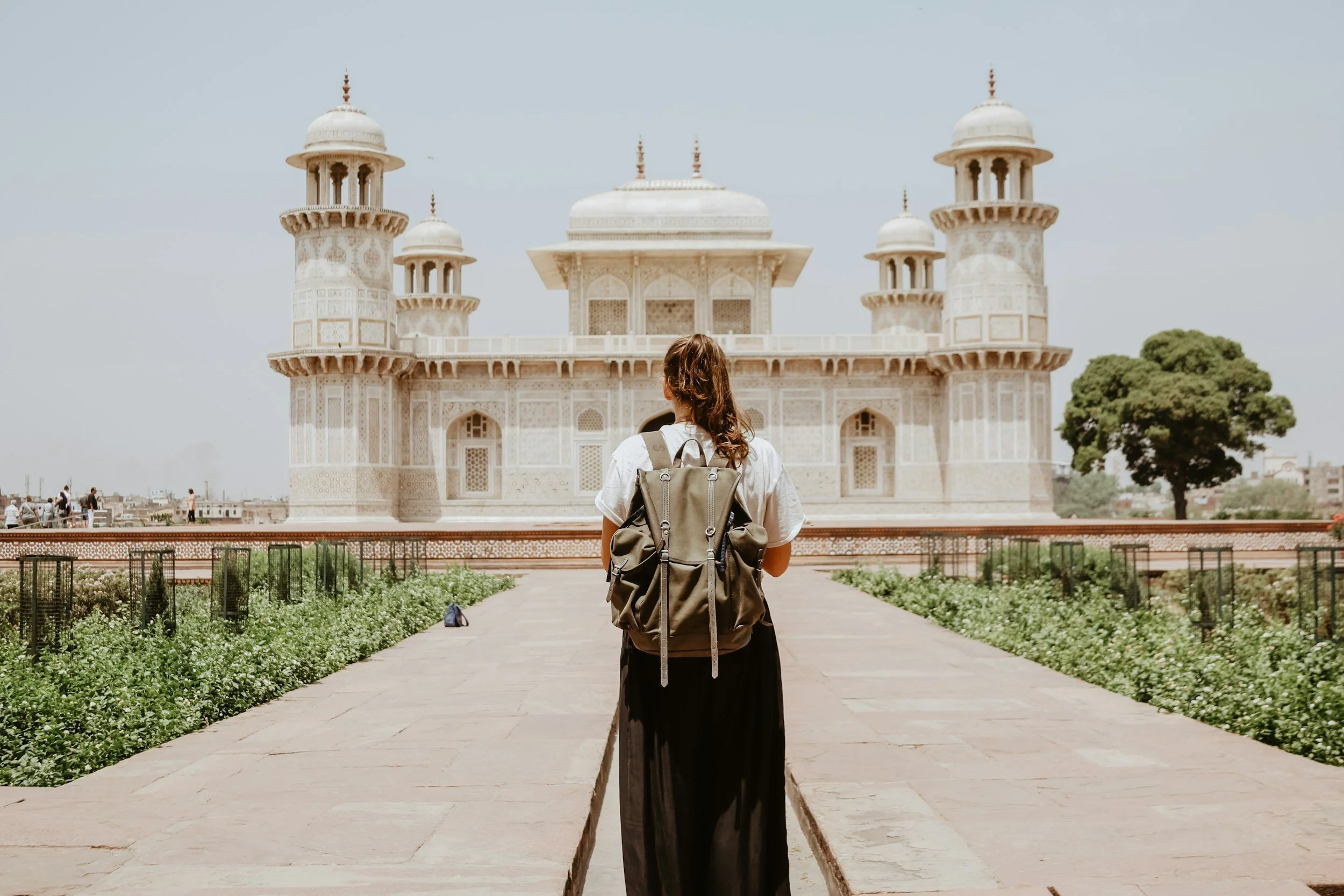
Comfortable flight outfits and entertainment for the long journey
1-2 change of clothes, undergarments, headphones (wired, wireless), portable charger, chargers, snacks, drinks in your carry on-bag
Average October temperatures for New Delhi = high of ~ 85°F, low of ~ 68°F
Pack layers, breathable materials like cotton and linen, light shawls, comfortable clothes for tourism, shopping
Pollution may affect sensitive individuals - pack N-95 and surgical masks
Accessories: shoes, sandals, jewelry, sunglasses, secure (zipper) purses
Remember to bring comfortable sneakers and formal shoes for wedding festivities. Valuables can be stored in hotel safes.
Toiletries and sunscreen, bug spray, personal medications
The Necessities

Electronics - India uses type D, M, and C plugs. U.S. plugs are Type A and B.
Make sure to carry a converter and note for India uses 230 V at 50 Hz and U.S. uses 120 V at 60 Hz.
Medications - carry Ibuprofen/ Acetaminophen/ NSAID of your choosing
Carry pepto-bismol, immodium (anti-diarrheal)
To avoid Delhi Belly stick to these rules:
Only drink bottled water and use for brushing teeth as well
Skip ice and chutneys unless in a 5-star hotel
Eat hot food, avoiding raw vegetables and salads
Avoid street food, stick to formal eateries, chains eateries, malls, hotels etc.
Clothes For Wedding Functions:
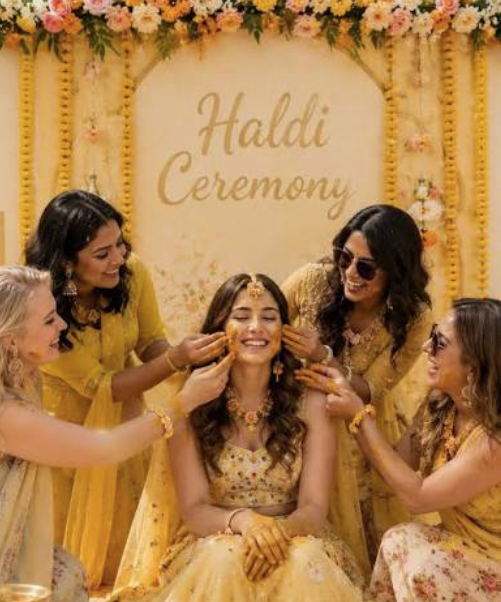
Haldi (Turmeric Ceremony) & Mehendi (Henna Hand Art) - Thursday October 15 at noon : Wear shades of cream, yellow, and/or orange. Avoid pure white, black or dark colors.
Traditional wear for men is usually Kurta pajama and for women is a lightweight suit (kurta - long dress shirt, and pajama - legging like pants underneath)
Feel free to wear western clothes in the theme colors like button down shirts, khakhi pants, and dresses.
Note: There is a risk of getting turmeric or henna stains on your clothes, be mindful of this!
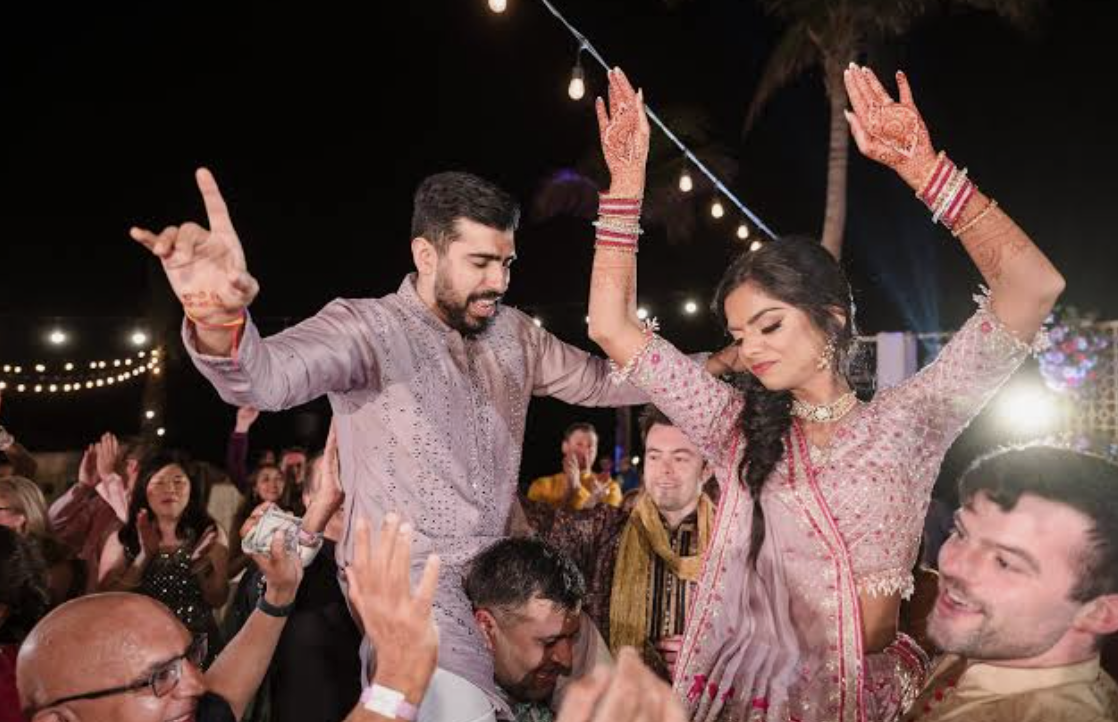
Sangeet (Dance Party): Thursday October 15 at 7 p.m. High-energy, glamorous event with choreographed dances, and singing. Wear darker colors if possible, black is okay, semi-formal wear.
Traditional wear for men is a Bandhgala suit with pants or a Nehru jacket over a kurta-pyjama set, women usually wear embellished (embroidery, sequins, etc.) kurta pyjama, sharara, lehenga, sari, or anarkali suits.
Western wear would include business casual suit/ sports jackets with button down shirts for men and longer dresses for women.
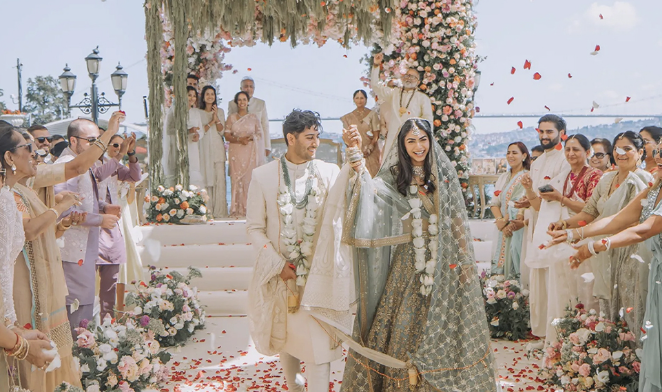
Wedding Ceremony (Shaadi/ Pheras): Friday October 16 at noon. Traditional and respectful. Wear lighter colors (pastels) if possible, avoid wearing pure plain white or pure black.
Traditional wear for men includes a sherwani, formal Kurta, or nehru jacket over kurta-pyjama set, women wear sarees, formal kurtas, or lehengas.
Western wear would entail chic dresses, skirts, or a blazer with dress pants.
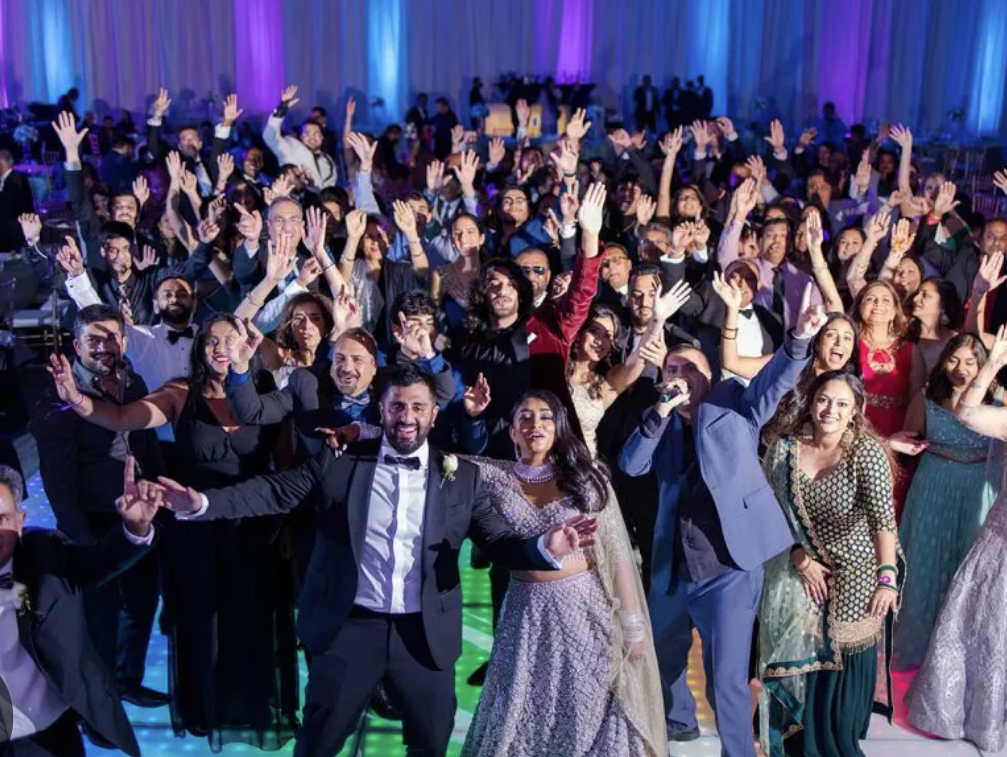
Reception: Friday October 16 at 7 p.m. Formal, modern elegant event. No color restrictions, black-tie.
Men: Tuxedo, formal western suit, or structured Indo-Western outfit.
Women: Modern gown, long dress, lehenga, or saree.
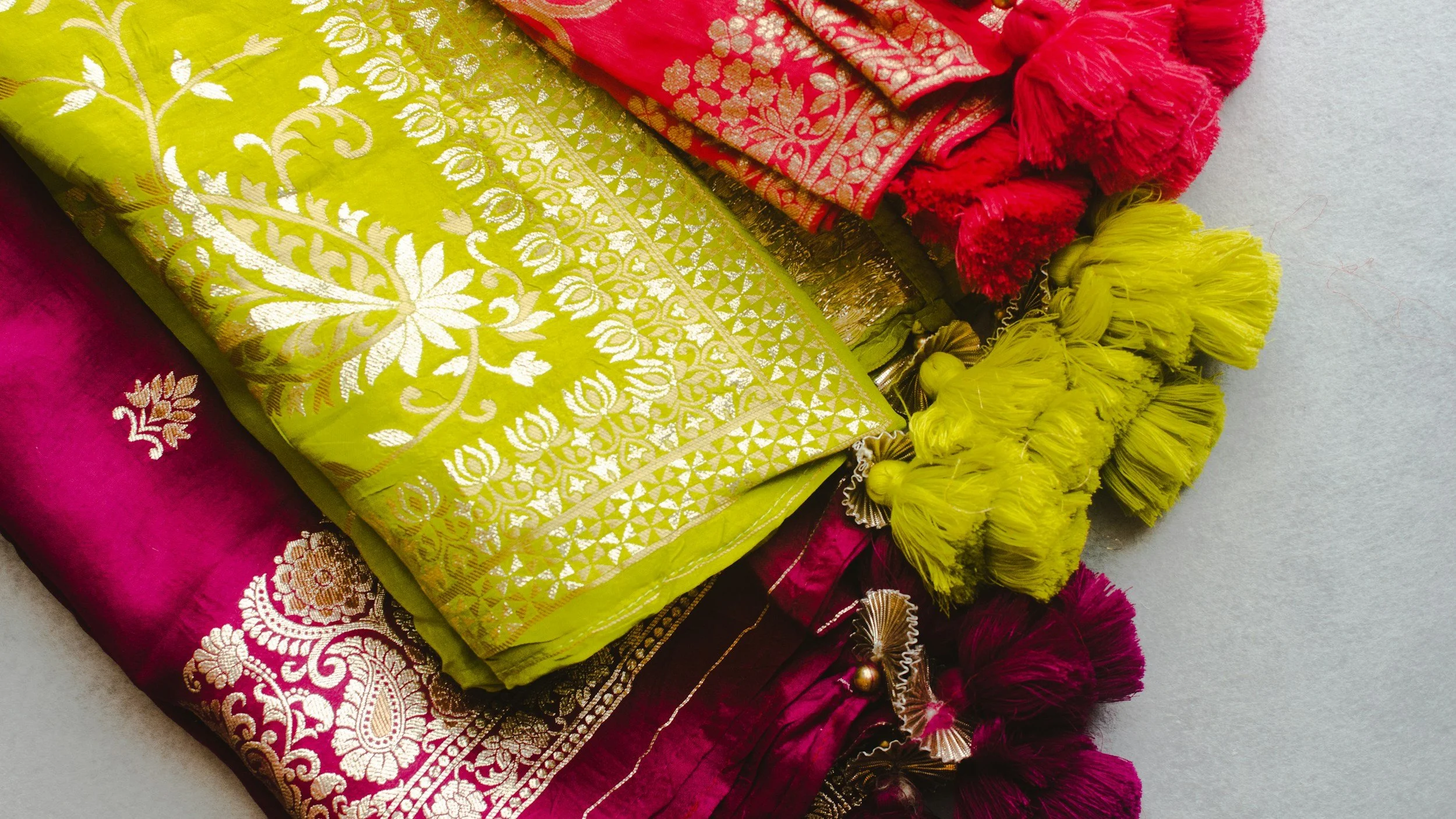
If choosing to wear traditional Indian clothes - you can shop for them online in the U.S. from retailers like Manyavar, Kalki Fashion, Meena Bazaar, FabIndia, Lashkaraa, Andaaz fashion, Pernia’s pop up shop, etc.
Note: It is usually 25 - 50% cheaper to buy clothes in India from the same/ similar retailers with often free adjustments for length/ fit by an in-house tailor
Add in at least one inch to all your measurements when shopping online since traditional Indian wear often uses fabrics like silk and brocade which do not have much stretch.
Rely on the ‘ready to ship’ sections when shopping less than 8 weeks in advance for pre-made outfits.